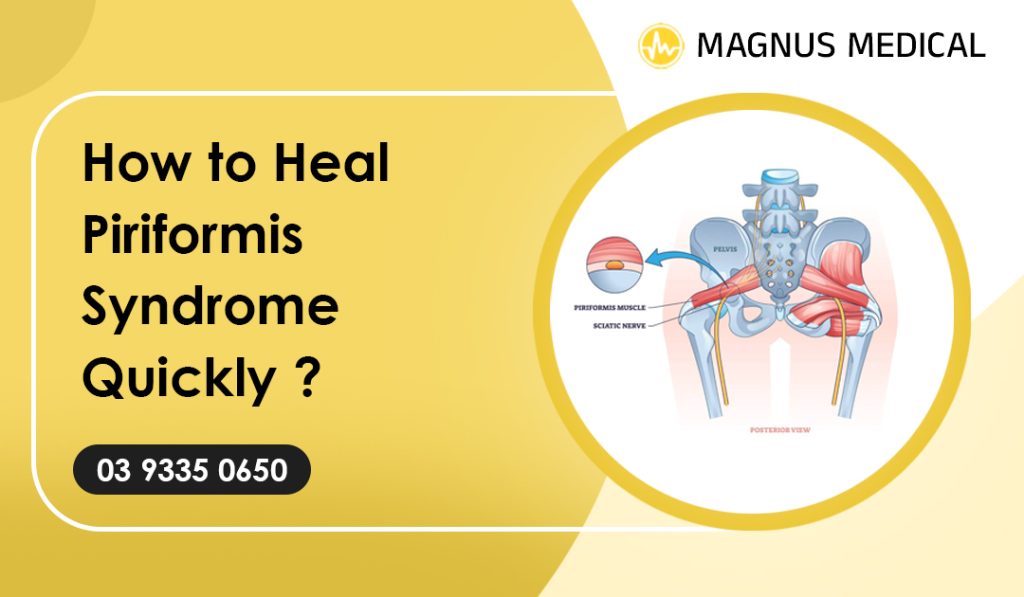
Piriformis syndrome leads to numbness or pain in your butt, upper leg, or hip. It happens when the piriformis muscle presses on the sciatic nerve. The condition may be caused by swelling, injury, muscle spasms, or scar tissue in the piriformis. Most episodes go away in a few days or weeks with simple treatments and rest.
When your sciatic nerve is compressed by your piriformis muscle, piriformis syndrome occurs, and it can get inflamed. It can lead to numbness or pain in your butt and down the back of your leg. It can occur on one side of your body or both. The piriformis is a narrow, flat muscle that travels from your lower spine through your butt to the top of your thighs. Your piriformis muscle extends to each side of your body and helps in the range of motion of your lower body. The sciatic nerve most commonly travels under the piriformis. The nerve runs from your spinal cord, through your buttocks, down the back of each leg, to your feet. It’s the largest, longest nerve in your body.
Piriformis syndrome symptoms appear in the hip, butt, or upper leg. People usually experience the feeling as:
Symptoms of piriformis syndrome may get worse during certain activities, such as:
Anything that makes the piriformis press on the sciatic nerve can lead to piriformis syndrome. The most common piriformis syndrome causes are:
These issues can be caused by:
Piriformis syndrome treatment will depend on the cause. Your doctor may suggest muscle stretches, rest, or physiotherapy. For physiotherapy, you can speak to physio Glenroy at Magnus Medical. They may treat piriformis syndrome with injections, medicines, or sometimes surgery.
Self-care at home
Your doctor will ask you to keep your piriformis muscle relaxed to alleviate any tension on your sciatic nerve. They will also suggest you:
If your symptoms don’t get better with rest and stretches, your healthcare provider may prescribe medicines to relieve your symptoms.
Your sleeping position can impact lower back pain.
Piriformis syndrome may go away with some lifestyle changes and simple treatments. Symptoms usually go away in days or weeks. However, the condition may come back, especially in people who don’t follow their healthcare provider’s suggestions. Severe cases that are not treated properly can reduce a person’s ability to work well.
If you experience any of the following, you need to seek medical attention:
Conclusion
Piriformis syndrome is a condition that may affect one’s daily life. If you are struggling with piriformis syndrome or notice some signs that you might have pain in your butt, legs, or hip, you can schedule an appointment with a physiotherapist at Magnus Medical, a reliable and reputable Glenroy Medical Centre.