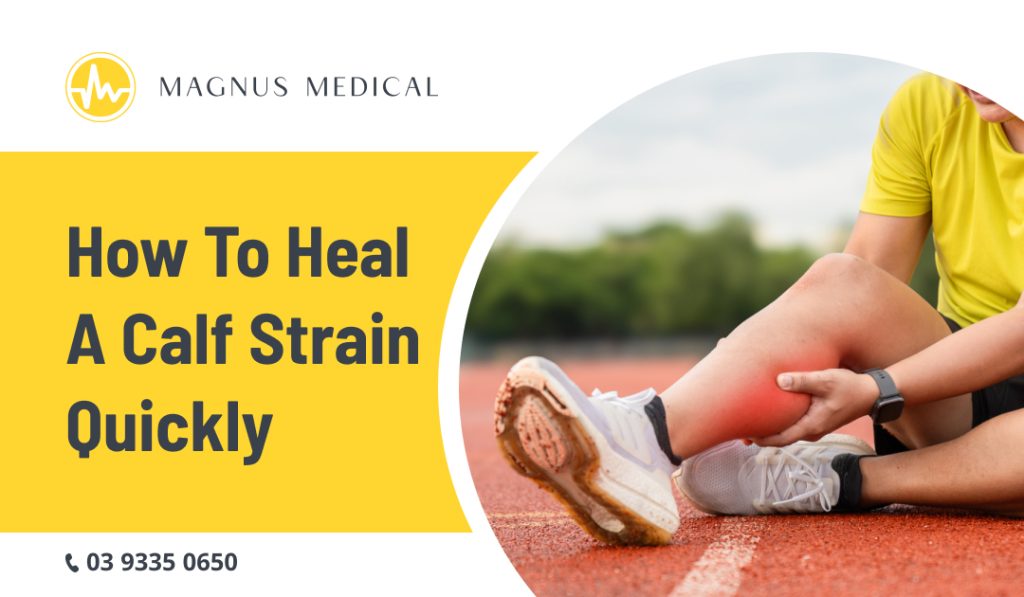
Many of you may struggle with calf strains, whether from sudden movements, overuse, or intense physical activity. While tight calves can be frustrating, understanding the signs, causes, and proper calf strain recovery methods can significantly accelerate the healing process. In this blog, we’ll discuss the calf tear symptoms to watch out for, causes of calf strains, and torn calf muscle treatment. From immediate care to longer-term rehabilitation, we’ll provide the information you need to get back on your feet faster and more effectively.
Calf pain occurs in the calf muscle, which is located at the back part of the lower leg. The calf consists of two muscles, known as the gastrocnemius and the soleus. They meet at the Achilles tendon, which connects to the heel bone.
You may experience the following symptoms if you have calf pain:
Here are the categories of calf strain grades:
Sometimes, calf pain may indicate a more serious condition that needs urgent medical attention.
A cramp or muscle strain in the calf can lead to tight calves or calf pain. A cramp occurs when the muscle suddenly tightens, leading to pain. It can happen if you overuse the muscle, are dehydrated, are deficient in some dietary minerals, or have been doing new exercises. Cramps usually go away by themselves. However, you should not ignore cramps if they persist for a long time. If you experience regular cramps or severe cramping, you can speak to a physio Glenroy.
A calf strain is caused by overstretching or tearing of either of the two muscles. Here are other possible causes of calf pain:
If you suffer from calf compression, massage, or gently stretch the muscle. A cramp will heal on its own. However, cramps that last longer than a few minutes, or if you have regular cramps, you need to see a doctor. You can follow the methods of torn calf muscle treatment after confirmation from your doctor:
Once the pain starts reducing, you can start gently stretching the muscle, but make sure to speak to your doctor first before starting exercises.
Don’t start full physical activity until you can move your knee and ankle properly, and the tenderness has gone. Depending on the grade of the calf strain, you can speak with Glenroy Medical Centre doctors before returning to your regular activities. Usually, you will return to your physical activity after:
If you are struggling with calf strain that lasts longer than a few minutes or doesn’t resolve on its own, speak to physiotherapists at Magnus Medical Centre.
Other Useful link: