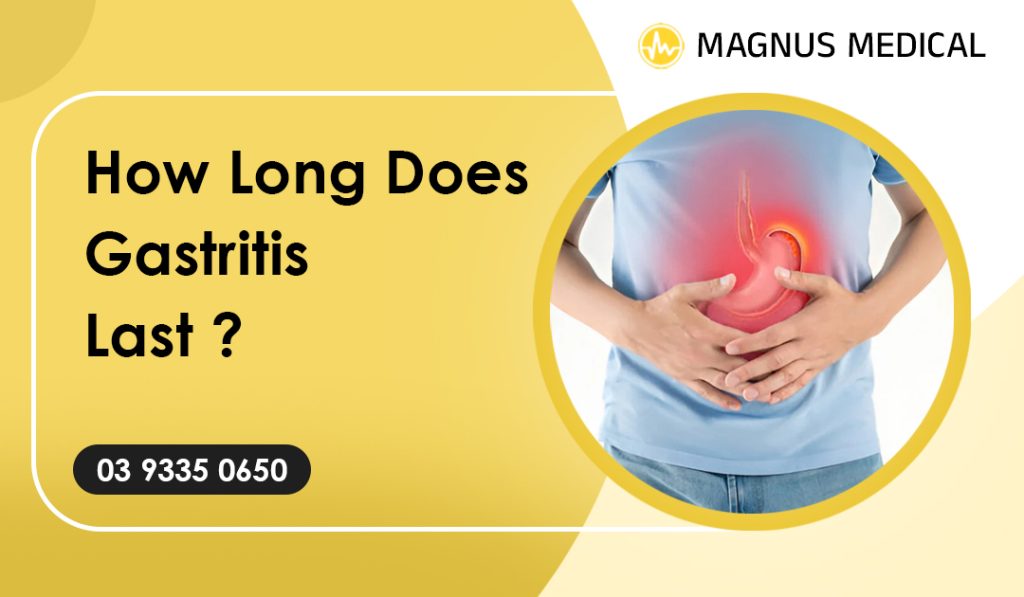
You may have experienced stomach issues. However, have you ever experiences gastritis?In this guide, we’ll discuss what gastritis is, what causes it, what it feels like, and how you can get rid of this condition.
Table of content
When the lining of stomach becomes irritated, inflamed, swollen, and red, then this condition is called gastritis. Due to the inflammation, the lining of your stomach may wear down, which is called erosive gastritis. Gastritis can:
Not all people experience the same gastritis symptoms. If you are struggling with gastritis, you may experience the following symptoms:
Here are the most common causes of gastritis:
A less common cause of gastritis is autoimmune gastritis. This is caused by an issue with your immune system. There are no symptoms with this type of gastritis.
Helicobacter pylori infection: H. Pylori is a bacteria that is usually found in your stomach. Almost 3 in 10 Australian adults aged 60 and over have H. pylori. Although many people with H. pylori don't become sick, the bacteria can lead to:
Non-steroidal anti-inflammatory drugs: Frequent use of pain relievers known as Non-steroidal anti-inflammatory drugs can lead to gastritis.
Drinking alcohol: Excess alcohol consumption can lead to gastritis and wear down the stomach lining.
Gastritis treatment aims to:
If you are struggling with H. pylori infection, GP Glenory at Magnus Medical may prescribe medicine to treat the infection. These will include both acid-lowering medicine and antibiotics. It is crucial to complete the full course of medicine as prescribed by your doctor. The treatment may be between one and two weeks.
If you have gastritis, you should avoid consuming alcohol in excess, or you should stop taking NSAIDs. You need to speak to your doctor if you have been prescribed an NSAID medicine.
By making some adjustments to your lifestyle, you can improve gastritis symptoms. You can try opting for the following lifestyle changes:
The duration of gastritis depends on the cause and management of the problem How long does gastritis last? Whether acute or chronic, the inflammation may resolve in just a few days or weeks once the triggering factor has been eliminated or controlled. Chronic gastritis may last for months or even years if it is due to a permanent contributing factor, such as a bacterial infection or certain medications.
Symptoms may return before the irritation has healed; therefore, persistent or recurrent symptoms should not be overlooked.
The treatment of gastritis varies with the cause. Treatment involves eradication of Helicobacter pylori, stopping the medication that causes the problem or medications to lessen the amount of acid.
Medical care should be sought for vomiting blood, dark stools, or persistent symptoms of indigestion or stomach pain.
Severe, worsening, or long-lasting stomach pain should also be evaluated. If your symptoms last over a week, recur, or worsen without explanation, you should discuss with a healthcare provider the possibility that the conditions are not just a simple bout of gastritis.
Conclusion
The blog sheds light onn gastritis condition, potential reasons behind this condition, and their symptoms. If you experience this problem, you can get in touch with doctors at Magnus Medical, the most trusted Glenroy Medical Centre.