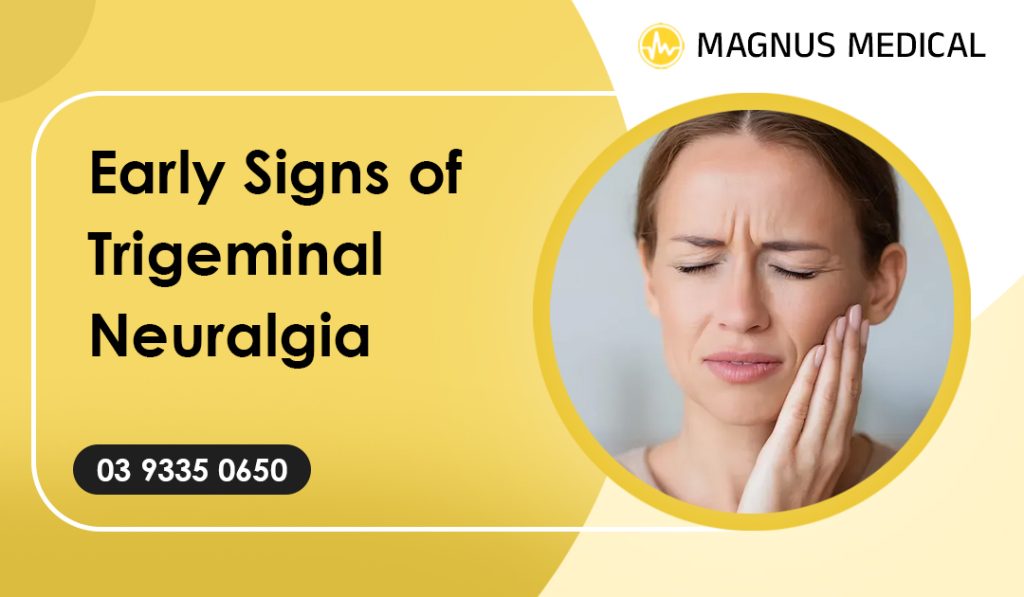
Trigeminal neuralgia causes severe pain attacks in your face. It occurs when your trigeminal nerve is irritated or damaged. Various treatment options can help alleviate pain, ranging from medications to surgical procedures.
Table of content
Trigeminal neuralgia is also called tic douloureux. Trigeminal neuralgia causes intense facial pain that can disrupt your everyday activities. It usually happens when a blood vessel puts pressure on your trigeminal nerve close to your brainstem. This nerve provides sensation to your head and face. Trigeminal neuralgia is a type of neuropathic pain. This is a life-alerting condition. Activities like talking, chewing, smiling, and brushing your teeth can trigger brief bouts of intense pain, making trigeminal neuralgia both an emotional and physical condition. It is chronic, but trigeminal neuralgia treatments can help manage your symptoms.
Early signs of Trigeminal Neuralgia include intense pain in your face; it usually affects one side of the face. The pain can feel like an electric shock or stabbing sensation. During episodes of TN, you may also have spasms of the facial muscles. These sensations may be felt when you are not having a pain attack:
Have a closer look at the following forms of TN depending on how you experience symptoms:
TN is a unilateral condition, which means it only affects one side of your face. In rare cases, it may affect both sides of your face but not at the same time. In some cases, it may get worse over time.
In general, when the trigeminal nerve is damaged or compressed, Trigeminal neuralgia occurs. Healthcare providers categorise this condition depending on the specific cause:
You can get in touch with GP Glenroy if you experience any signs. They will ask about your medical history and signs. They will do a physical exam of your neck and head area. Depending on the following factors, a diagnosis can be done:
· The specific type of pain you experience.
· The exact spot on your face where pain occurs.
· Which actions or activities trigger pain.
Healthcare providers use a combination of surgery, medications, and other therapies to treat trigeminal neuralgia.
Trigeminal neuralgia is not a life-threatening condition; instead, it is a life-alerting condition.
There are no direct workouts that treat trigeminal neuralgia, but some exercises can relieve this condition, including gentle neck stretches, facial relaxation, and low-impact aerobic exercise.
Trigeminal neuralgia is a condition that won’t go away permanently on its own. But the pain may vanish for a while; it intends to return and often worsens over time.
The maximum or high level of pain can be 10 on a 10-point rating scale. Patients often describe it as a sharp jolt, electric shock, or stabbing knife sensation.
Conclusion
Trigeminal Neuralgia is a condition which can significantly affect person’s daily activities. However, there are various treatment options available. If you notice any signs, you can speak to doctors at Magnus Medical Centre Glenroy.
Other Useful link:
Psychologist glenroy