In this guide, we’ll learn about:
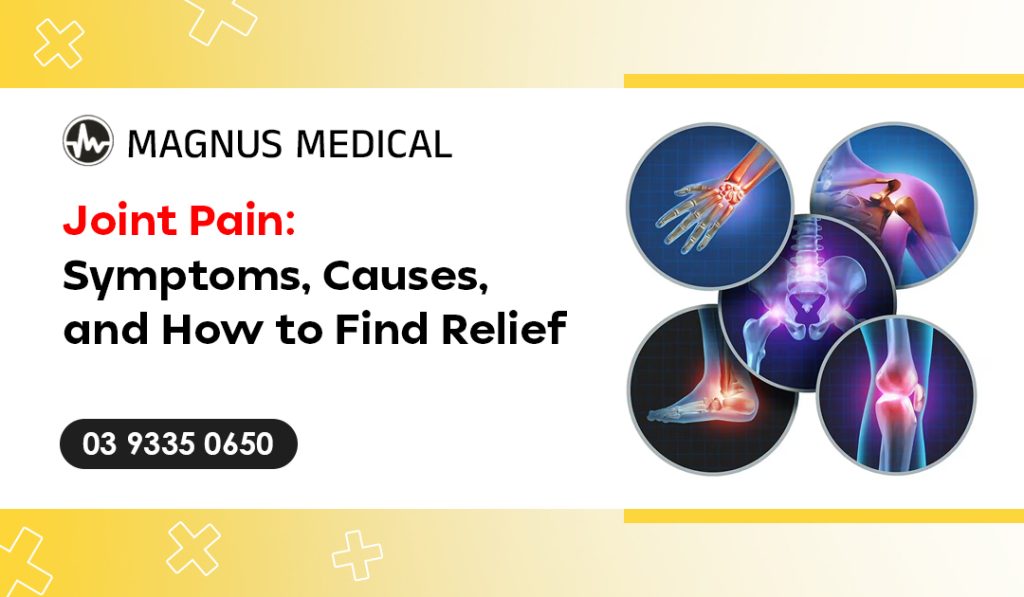
Fluid in your joint can cause joint pain and swelling and it can lead to joint stiffness and pain. It can involve several joints at the same time. The most common joints to be affected are the hips, hands and knees. Learn more about the following types of joint pain and swelling and get the right treatment:
Acute joint pain may appear instantly and go away in less than 2 weeks. Infection or injury can also cause acute joint pain and swelling.
This comes on gradually and can lead to long-term issues. An inflammatory arthritis can be the main reason for this type of joint pain and swelling.
Every individual may experience symptoms differently. The symptoms vary according to the joints affected. You might have:
Living with joint pain can make it hard to move, do everyday tasks, and for some people, work. You may feel better or your joint pain may get worse over time. For instance, you may notice your joint pain and swelling are worse first thing in the morning. You could also feel tiredness and fatigue because of pain and swelling in the joints.
There can be many causes of sudden onset joint pain in multiple joints.
Acute joint pain and swelling
Acute joint pain doesn’t last long. Acute joint pain can be caused by:
Acute joint pain and swelling can be dangerous if not treated on time. If you notice that you are suffering from acute joint pain and swelling, you can seek help from GP Glenroy.
Chronic joint pain and swelling
A rheumatic condition may cause chronic joint pain and swelling. This impacts your tendons, joints, muscles, and bones. There are various rheumatic conditions such as:
Treatment for joint pain and stiffness
To get rid of joint pain and swelling, you can have a variety of treatment options. If you are struggling with long-term joint pain and swelling, doctors at Magnus Medical will diagnose the root cause. They will create a treatment plan, which may include exercise. The exercises you perform should be gentle on your joints. You can talk to a physiotherapist for physiotherapy Glenroy.
Various things can lead to joint pain and swelling, so it’s difficult to prevent. To manage symptoms, you need to follow a healthy lifestyle.
Extra weight can stress the joints, such as the hips, knees and lower back. Reduced weight is less likely to put pressure on joints, making your joints pain-free or helping relieve pain.
A healthy diet, low in sugar and processed foods, can help with your joints. Eating foods high in omega-3, like salmon, can also help manage chronic joint conditions like arthritis.
Regular exercise may help you keep your bones, muscles, and joints strong. You may fee little uneasiness during exercise, and it does not cause any damage to the joint. You need to look for an activity that is ideal for you and build up slowly. A physiotherapist can help you opt for the right exercise that is safe for you.
Conclusion
There are so many treatment options available for joint pain and swelling. Discuss your symptoms with our physiotherapist at Magnus Medical, so they can suggest the right option for you. Get in touch with Magnus Medical, a reputed Glenroy Medical Centre.