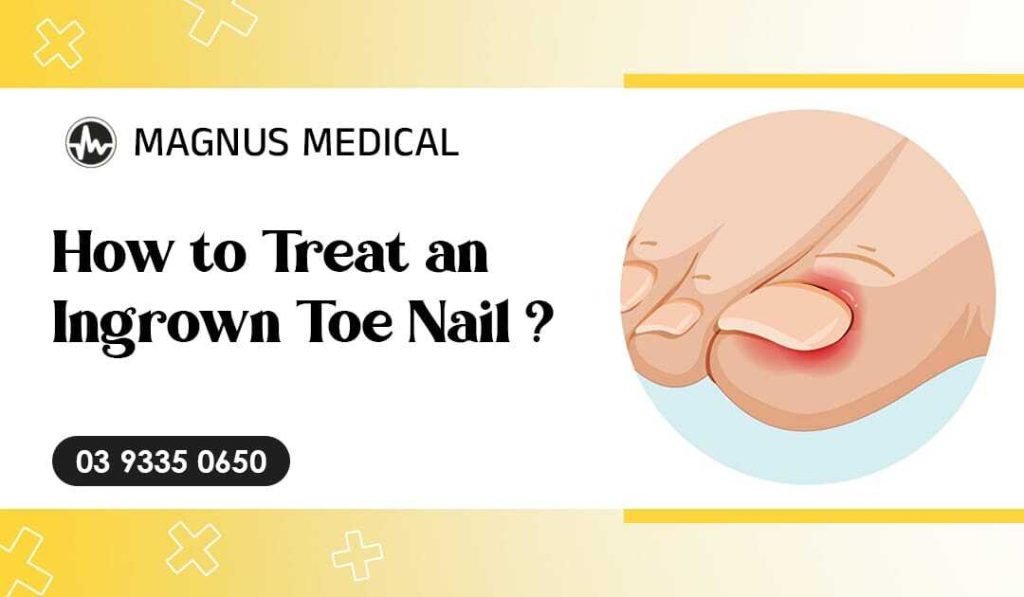
If you are struggling with an ingrown toe nail, you might be looking for treatment options. Before jumping directly to the ingrown fingernail treatment, you must know the symptoms and causes of it. In this blog post, you will come to know about the causes, symptoms, and potential treatment options. Let’s get started:
Table of content
What is an ingrown toenail?
What are the causes of an ingrown, swollen toe nail?
What are the symptoms of an ingrown, swollen big toe?
Ingrown toenail: How to get rid of throbbing toenail pain at home?
How to cut ingrown toenail at home?
Final thoughts
An ingrown toenail occurs when the corner of the toenail grows down into the skin. While it usually affects your big toe, it can also affect any of your toes. This condition occurs when toenails are cut by rounding the corners of the nails. If the toenail curves with the toe shape, it can grow into your skin. Ingrown toenails are common and don’t cause any health risk to healthy people.
An ingrown, sore toenail can be caused by the following reasons:
If it is the starting phase, you may experience your ingrown toenail as hard and swollen. If the nail grows into your skin, or the skin grows over the edge of the nail, then bacteria can enter. If left untreated, the nail may become infected. Infected ingrown toenail symptoms may include:
If you are struggling with an ingrown fingernail or toenail, you can try this home treatment:
An infected, ingrown nail finger needs to be treated with antibiotics. GP Glenroy or an ingrown toenail podiatrist may need to drain the pus. In severe cases, ingrown toenail removal may be required.
Before you cut an ingrown toenail at home, you must first check the severity of the problem. If the area is swollen, infected, bleeding, or producing pus, then don’t do anything and seek help from a healthcare professional. However, for mild cases, you can do the following things:
Final thoughts
An ingrown toenail is painful but can be treated. Although some home treatment can be beneficial for mild cases, if you have a severe condition, it’s advisable to seek medical care as soon as possible.
OTHER USEFUL LINK:
Dietitian glenroy