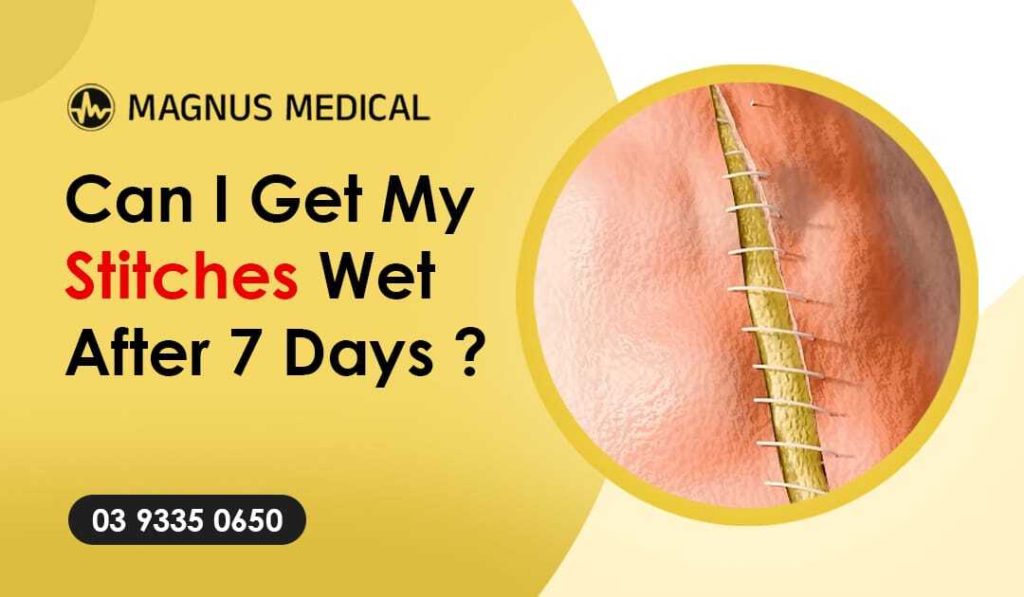
A special type of thread is used to speed up the healing process on surgical cuts or wounds. Stitches help to support and bring together the skin and tissue layers so that they can heal. The term “stitches” and “sutures” both refers to a line of stitches.
Table of content
Stitches are threads used to close cuts or wounds together to promote healing. Stitches are made using different types of materials, such as:
Different stitches and ways of closing a wound may be used according to your wound. The stitches may be:
Stitches speed up the healing process of the wound and can minimise scars. Your stitches will need to be kept clean and dry for the first 48 hours. Stitches hold the edges of the wound of torn tissue together so your body does not have to work so hard to fill in a gap. They limit the buildup of a large amount of granulation tissue temporarily, prevent bacteria from entering and causing infection and can lessen scarring.
Stitches are usually removed after 5 to 10 days, depending on the location and type of wound. GP Glenroy can help with minor stitches, so if you have minor cuts or stitches, you can get advice from the GP on the best time to remove them. If stitches are removed too early, the wound might not have healed properly. If stitches are left too long, then it can become difficult to remove, which can increase the chance of scarring. Dissolvable stitches are not required to be removed. Stitches under the skin or in the mouth are usually dissolvable. They will dissolve on their own within 1 to 2 weeks. Some stitches may take some time to disappear.
After 48 hours, you are permitted to gently moisten the stitches, for example, over a sink or in a shower, ensure you pat them dry immediately afterwards, as an excessive amount of dampness slows the recovery. Take the accompanying instructions while recovering:
Yes, in some instances it can be left in, but this should always be discussed with and supervised by your medical practitioner. If non-dissolvable stitches are left in for longer than 7 – 10 days, the stitches may cause the skin to grow over the top of the stitches, which would result in the risk of scarring and potential infection.
Should your stitches get wet too early, the water will soften the tissue and make it easier to break down and provide an environment in which the bacteria can establish themselves; this increases the chances of infection and will most probably lead to a poorer scar result.
Conclusion
You need to follow the instructions given by your doctor if you have stitches. They will advise you when you can wet the area of stitches. For more information, you can get in touch with Magnus Medical.
Other Useful link: