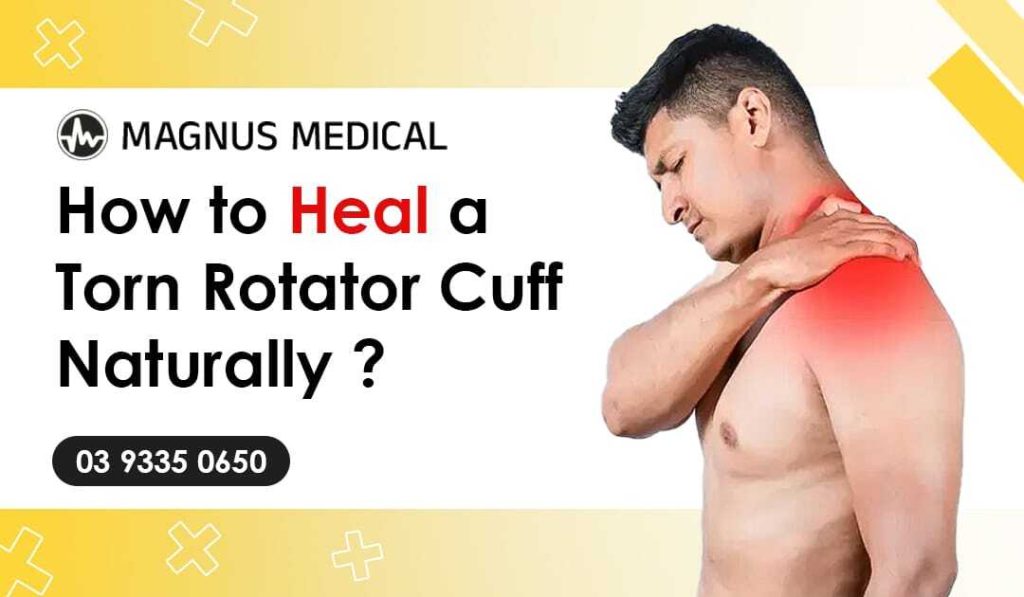
Do you feel sharp, shooting pain deep in your shoulder that worsens with particular arm movements? Do you have weakness when rotating or lifting your arm above your head? If yes, you might have a torn rotator cuff.
What does a torn rotator cuff feel like?
A rotator cuff tear is an injury to your rotator cuff, which can lead to shoulder pain, and you may find it difficult to use your arm. Your rotator cuff is a group of tendons and muscles in your shoulder. They help you move and lift your arms away from your body. Your rotator cuff keeps the ball of your upper arm bone in the shoulder blade socket. Here’s what a torn rotator cuff feels like:
- You may feel a dull ache deep within your shoulder, or it may feel like stabbing pain.
- Pain, difficulty, and weakness caused by raising, rotating, or lowering your arm.
- Clicking, popping, or cracking sounds when moving your arm in certain positions.
- Shoulder pain that worsens at night or even when resting your arm.
- Shoulder weakness and difficulty lifting items.
What are the causes of a torn rotator cuff?
An accident, such as a fall, can lead to a dislocated shoulder or broken collarbone that tears your rotator cuff. More commonly, rotator cuff tears occur over time as your tendon wears down with use and age. People over age 40 are at high risk. Here are the causes of degenerative tears:
- Bone spurs: Bony growths can develop on the top of your shoulder bone. These bone spurs rub against your tendon when you raise your arm. This shoulder impingement forms friction between your tendon and bone. Eventually, a partial or complete tear may occur.
- Decreased blood flow: Blood flow to your rotator cuff reduces as you age. Your tendons and muscles need a healthy blood supply to repair themselves. If blood doesn’t nourish your tendons, they can tear.
- Overuse: Repetitive shoulder movements on the job or during sports can stress your tendons and muscles, causing a tear.
How to heal a torn rotator cuff naturally?
How bad the torn rotator cuff is will determine if it can heal on its own. You can use natural and non-surgical methods to ease pain and speed up healing for small or partial tears. Here are some natural and non-surgical ways to deal with rotator cuff tears:
- Physiotherapy: Physiotherapy for a torn rotator cuff is one of the most effective ways to improve mobility and strengthen the shoulder muscles. A physiotherapist in Glenroy at Magnus Medical will guide you through exercises tailored to your specific condition, restoring function and reducing pain over time.
- Rest and activity modification: Avoid activities that worsen your symptoms, especially those that involve repetitive overhead motions. Allowing enough rest prevents further stress on the shoulder.
- Ice and heat therapy: In the initial stages of the injury, applying ice packs may help alleviate swelling. Heat therapy may be beneficial for relaxing stiff muscles and promoting blood flow in later stages.
- Stretching and range-of-motion exercises: Sticking with some gentle stretches and range-of-motion work is key to keeping your shoulder from locking up. As long as you're doing them carefully, they’ll help you stay mobile and keep that "stiff" feeling at bay while you heal.
While these home remedies can be a great starting point for a partial tear, a complete tear is a different beast and usually requires professional medical attention. It’s a good idea to check in with a physiotherapist; they can pinpoint exactly what’s going on and build a recovery plan tailored to your specific injury.
How long does a torn rotator cuff take to heal?
How fast you bounce back from a rotator cuff tear without surgery really comes down to a few things—mostly your age, how big the tear is, and how strictly you stick to your rehab exercises.
- Mild partial tears may take 6-10 weeks to heal.
- Moderate tears may take around 3-6 months to recover with consistent physiotherapy.
- Larger or chronic tears may take 6-12 months to heal.
After surgery, you may have to wear a sling for 4-6 weeks. You can then start physical therapy. Most people regain strength within four to six months after surgery, but full recovery may take up to 12 to 18 months.
Final Thoughts
If you are an athlete or involved in a very physical job, a rotator cuff injury is likely to happen. You can talk to a physiotherapist at Magnus Medical, which is the top Glenroy medical centre, about the best treatment options.
Other Useful link:
Pathology glenroy