Many of you may have heard of gastroscopy, which is a commonly performed procedure used to test the upper part of the digestive system. In this blog, we will explore what gastroscopy is, why it is done, and what patients can generally expect from the process. We will also discuss how long the procedure typically takes and its role in diagnosing and managing various digestive conditions.
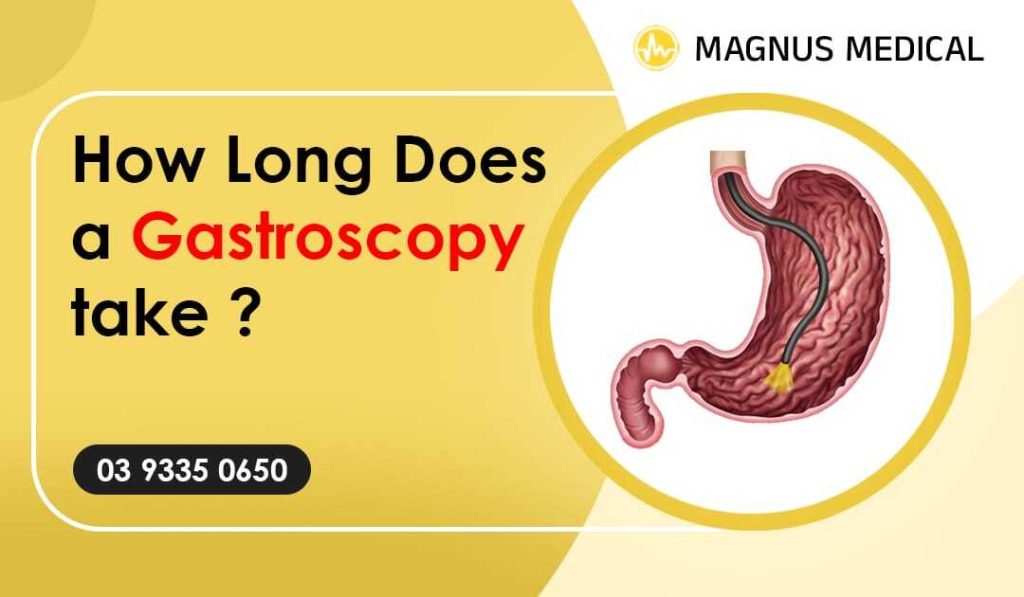
A gastroscopy is a test done to examine the inside of your food pipe (oesophagus), throat, and stomach, known as the upper part of your digestive system. This can help identify the reasons for your symptoms. A flexible, thin, long tube with a small camera is passed into your mouth, down your throat, and then into your stomach. It can also be used to remove tissue for testing and treat some conditions, such as stomach ulcers.
If you notice symptoms such as persistent stomach pain, ongoing indigestion, difficulty swallowing, or unexplained nausea, the GP Glenory will assess your condition first, and can recommend a gastroscopy.
You may be recommended a gastroscopy if you have the following symptoms:
It can show if there is bleeding, inflammation, or an ulcer in your upper digestive tract. This procedure is also done as part of the coeliac disease. It may be done to:
A gastroscopy is done to identify the causes of your digestive symptoms, so that effective treatment options can be used. A gastroscopy can be performed to:
A gastroscopy is performed to identify what’s causing your digestive symptoms, such as:
Treating problems
A gastroscopy can also be used to treat conditions related to your digestive system. A gastroscopy can help:
Checking for cancer
A gastroscopy can be used to check for some types of cancer, such as:
During gastroscopy, a small sample of tissue can be removed from your oesophagus or stomach for testing. This is known as a biopsy. The biopsy is conducted to check if there are any cancer cells in it.
A gastroscopy might take around 15 to 30 minutes. You might be sedated during gastroscopy. Most people don’t even remember anything about the procedure afterwards. Your doctor will pass the endoscopy tube through your mouth and down into your stomach and the first part of your small intestine. Through endoscopy, your doctor can see images from inside your digestive system. A doctor can also take samples of tissue and can remove polyps.
Gastroscopy Preparation: How Do You Prepare for a Gastroscopy?
Before the procedure, the doctor will check if you have any allergies. They will discuss your other medical conditions. Make sure to ask your doctor if you should continue taking regular medicines before the procedure.
If you are having a gastroscopy, your stomach should be empty. This is so that your doctor can clearly see and so you do not vomit. You should not drink or eat for 6 hours beforehand. Before the procedure, your doctor will advise you about the specific details.
Apart from this, you may be given a local anaesthetic throat spray to make it numb before the procedure. You may also need to wear a special mouthguard to protect your teeth during the procedure. False teeth may need to be removed.
Conclusion
Gastrocopy is usually done to examine your upper digestive system problems. If you notice symptoms as mentioned in this blog, you can reach out to doctors at Magnus Medical, the most trusted Glenory Medical Centre.
Other Useful link:
Pathology glenroy