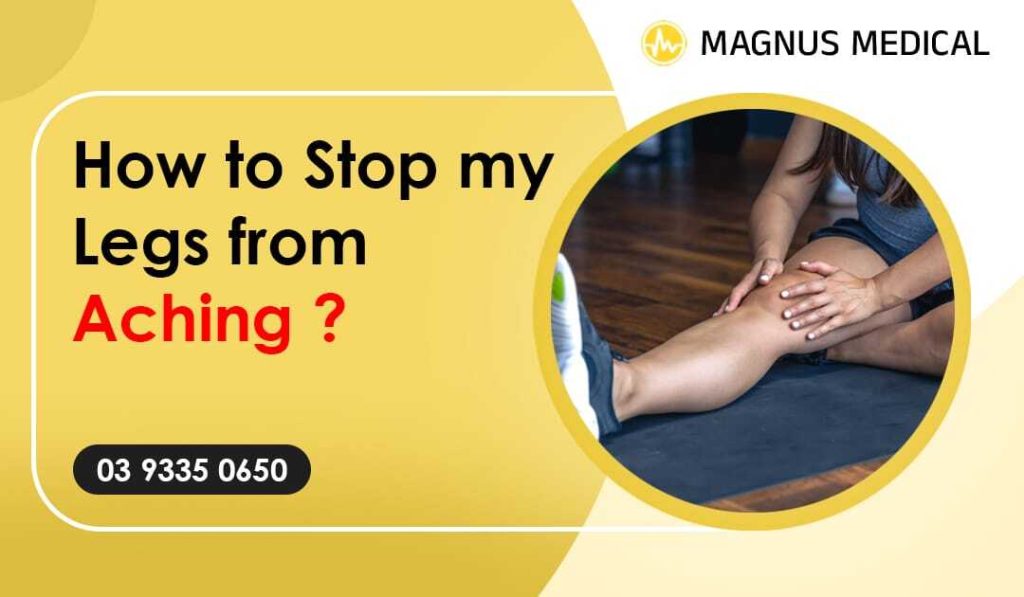
Many people struggle with leg pain due to several reasons. You may have a mild leg muscle cramp or severe pain in your leg. Aching legs treatment will depend on the cause. You can treat mild pain at home, but if your pain becomes severe, you should seek physiotherapy Glenroy at Magnus Medical Centre.
What is Leg Pain?
Aching legs is a common symptom with several different causes. Leg pain may be caused by overuse or from wear and tear. You may have a muscle cramp, but it may also occur after some type of sports injury. You may have aching legs at night. You may also be struggling with right or left leg pain. You may have a sharp and severe pain in your leg or a dull ache.
Why Are My Legs Aching?
You might be wondering: What causes aching legs? Well, the causes of aching legs can vary widely, from muscle cramps to serious health conditions that may need medical attention.
Muscle cramps
If you have leg muscle pain, it can be a sign of a muscle cramp. Other names for a muscle cramp include a charley horse or a muscle spasm. You may have a muscle cramp due to:
- Dehydration, which is a health condition that happens when your body lacks water to function properly.
- Certain medications can cause cramping in your muscles.
Injuries
Injuries are a common reason that contributes to leg pain. They can happen due to:
- Muscle strains: A muscle strain is an injury that occurs when you pull or tear a muscle. This type of injury is common among athletes. It can cause aching legs at night in bed, which can affect your sleep as well.
- Shin splints: Shin splints happen when the tissue, tendons, or muscles around your shin bone become inflamed or irritated.
- Stress fractures: A stress fracture is another common sports injury. It happens when repeated force on a bone causes a small crack to form.
- Tendinitis: This is a condition that occurs when the tendons between your muscles and bones become inflamed.
Blood flow issues
Issues with how your blood flows can lead to constantly aching legs.
- Varicose veins: Varicose veins happen when blood backs up inside your veins. This makes them look blue or purple under your skin.
- Peripheral artery disease (PAD): PAD is a condition that causes cholesterol and fat to collect in your arteries, causing them to narrow.
- Deep vein thrombosis (DVT): DVT occurs when you have a blood clot in a deep vein that keeps your blood from flowing properly in your vein. This can be a dangerous condition, so you need to get medical attention.
Nerve issues
If you have nerve pain in your legs, you may struggle with one of the following conditions:
- Sciatica: Sciatica is a common health condition that involves the nerves in your back, legs, and buttocks.
- Meralgia paresthetica (burning thigh): This is a painful condition that causes a burning sensation in your thigh. You may also feel numbness, aching, or sharp pain in your leg.
- Peripheral neuropathy: Peripheral neuropathy is a group of nerve diseases that impact a specific part of your nervous system. It can affect different parts of the body, including your legs.
How to Stop Aching Legs?
If you have mild leg pain, like muscle cramps or overused muscles, you can try the RICE method:
- R- Rest: You need to rest your affected leg.
- I- Ice: Apply ice to reduce leg pain for 15 minutes at a time or as prescribed by a healthcare provider.
- C- Compression: You can wrap your leg in a bandage.
- E- Elevation: Elevate your leg above your heart.
If you have other conditions causing leg pain, like nerve pain, you can seek help from a physiotherapist at Magnus Medical.
Conclusion
Sometimes, mild leg pain goes away on its own, but severe leg pain may need medical attention. To alleviate leg pain, you can also contact our physiotherapist at Magnus Medical, which is a trusted Glenroy Medical Centre.
Other Useful link:
GP glenroy