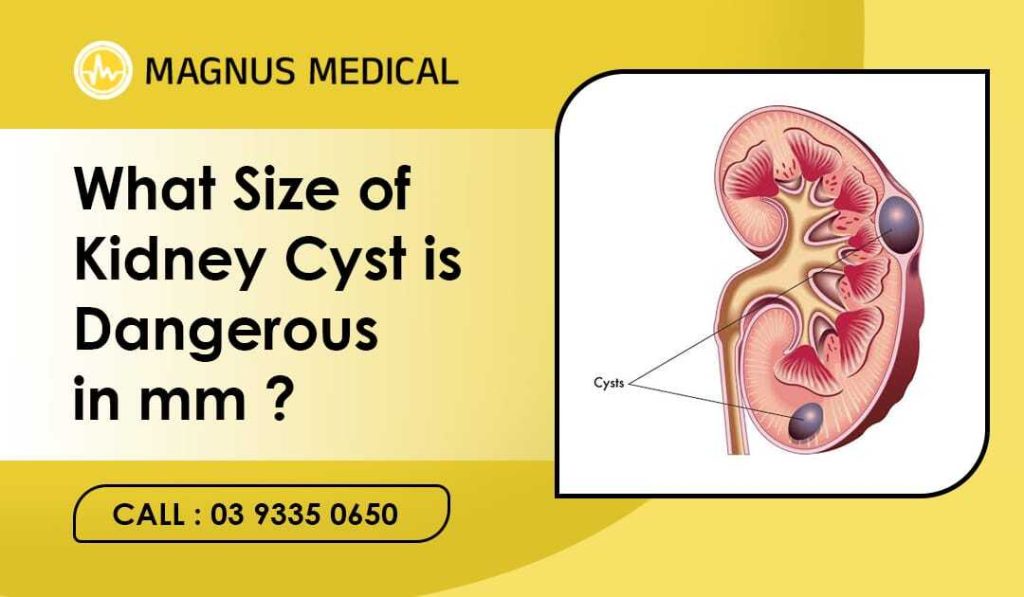
Kidney cysts are filled with fluid that can develop on or in your kidneys. While they are harmless, they can sometimes cause complications. Many patients usually fear that a cyst in the kidney is dangerous, or is similar to kidney stones, or might be related to them, etc. In this blog post, we’ll discuss various aspects of kidney cysts, including kidney cyst symptoms, causes, size, treatment, and more.
A kidney cyst is a fluid-filled, round sac that develops in or on the kidneys. They can be simple or complex, and simple cysts are usually common and harmless. On the other hand, complex cysts might need further tests by a doctor, as they can sometimes be related to kidney cancer.
A specific genetic disorder called Autosomal Dominant Polycystic Kidney Disease (ADPKD) is related to numerous cysts completely replacing healthy kidney tissue. ADPKD is related to kidney failure and can be passed on to subsequent generations. However, not all kidney cysts are formed because of ADPKD.
Kidney cysts are not of the same size. A simple kidney cyst can vary in size from a few millimetres to several centimetres in diameter.
Simple kidney cysts usually don’t cause any symptoms. Most people with simple kidney cysts don’t know they have them. The cysts become a big issue if they rupture and start to bleed, or grow so large that they push against other organs and tissues within your abdomen. When simple kidney cysts cause symptoms, they may include:
• Aches or pain in your side between your hips and ribs, or in your stomach or back
• Fever
• Frequent urination
• Blood in your urine or dark pee
Depending on the location of the cyst, it can affect how your kidney works. It can also result in a type of high blood pressure if the cyst prevents the kidney from filtering excess fluid from your blood.
Doctors may recommend pathology in Glenroy when imaging shows complex signs (such as thick walls, septations, or solid components) or if there is concern about cancer. Pathology helps confirm the diagnosis by examining the tissue more closely.
Kidney cysts with a size larger than 50 mm (5 cm) are dangerous. At this size, cysts can lead to various complications, such as:
• Compression of kidney tissue
• Higher risk of cyst rupture or bleeding
• Obstruction of urine flow
• Chance of infection within the cyst
Moreover, large cysts may lead to noticeable symptoms, including palpable lumps, flank pain, or abdominal fullness. In these cases, clinical evaluation and imaging are crucial to analyse other serious conditions.
Kidney Cyst Size Chart in mm
| Size (mm) | Size (cm) | Category | Typical Meaning |
| < 10 mm | < 1 cm | Very small | Usually harmless, often found incidentally |
| 10–20 mm | 1–2 cm | Small | Typically benign, rarely causes symptoms |
| 20–50 mm | 2–5 cm | Medium | Still usually benign, may need monitoring |
| 50–70 mm | 5–7 cm | Large | Can cause mild symptoms (pain, pressure) |
| > 70 mm | > 7 cm | Very large | Higher chance of symptoms or complications |
These size ranges are general guidelines for understanding kidney cysts. Medical decisions are based mainly on imaging features (Bosniak classification), not size alone.
If you have a complex kidney cyst that might be pressing on another organ or affecting your kidney’s functioning, kidney cyst removal might be necessary. If your doctor believes the cyst is cancerous or could lead to cancer, they may suggest cyst removal. There are two procedures that doctors usually use to treat kidney cysts:
Conclusion
While size matters when you are diagnosed with a kidney cyst, a kidney cyst over 50 mm is considered dangerous. Make sure to monitor kidney cyst symptoms, and if you notice warning signs, get a consultation from doctors at Magnus Medical Centre Glenroy.
Other Useful link:
Glenroy medical centre